
English football’s rich and tumultuous history is defined not only by its legendary clubs but equally by the visionaries who have shaped teams from the touchline. From the bustling stands of Manchester United’s Old Trafford to the roaring crowd at Liverpool’s Anfield and the underdog heroes at Nottingham Forest, the English Football League (EFL) has seen managers orchestrate promotion miracles and European triumphs alike. The greatest EFL managers have not simply gathered silverware—they’ve inspired eras, revolutionized tactics, and etched unforgettable stories into football folklore. Whether through pioneering strategy, bold leadership, or nurturing local talent, the managers listed below have created legacies that continue to influence clubs like Arsenal, Chelsea, Tottenham Hotspur, Aston Villa, Leeds United, Newcastle United, and West Ham United. For fans of every shade—whether celebrating promotions, reliving cup glories, or hoping for a modern turnaround—this exploration of the top 10 EFL managers offers insight, anecdotes, and lessons from the very best to ever don the dugout.
Ranking the Top 10 Greatest EFL Managers: Criteria and Legendary Examples
Determining the greatest EFL managers of all time demands more than a glance at their trophy cabinets. The English Football League has evolved—from the days when a manager was merely a tactician, to the modern era where leadership, motivation, and innovation hold equal sway. Great managers stand out not only by what they win, but by how they elevate their clubs and leave a lasting legacy.
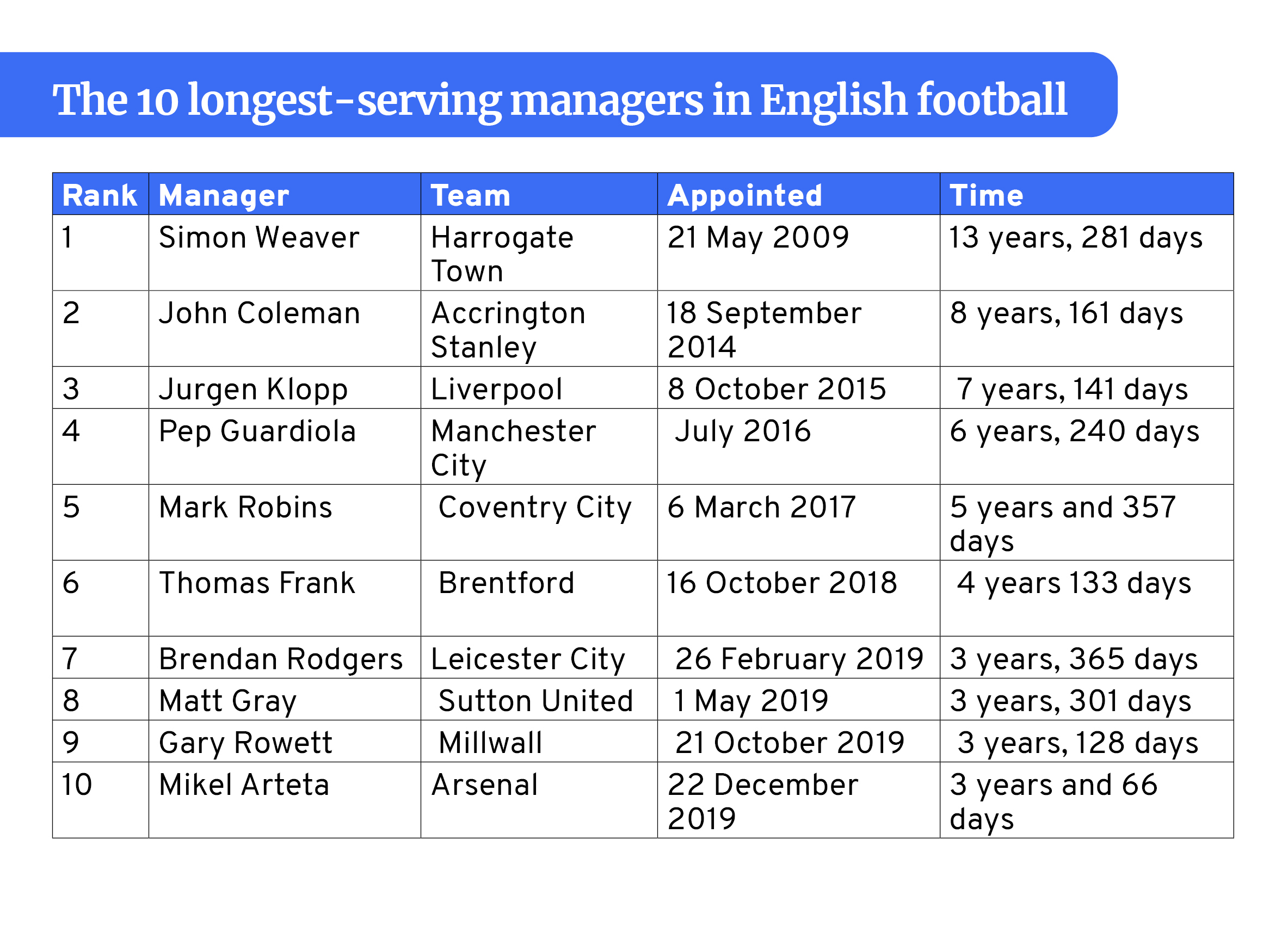
What Makes an EFL Manager Truly Great?
The qualities separating historic managers from the merely good are manifold:
- Tactical Vision: Ability to devise systems fitting their squads, often revolutionizing playstyles.
- Player Development: Nurturing talent from youth academies and transforming ordinary players into stars.
- Longevity & Adaptability: Sustained success across different eras, often rebuilding teams to stay ahead.
- Impact Beyond Trophies: Building clubs’ identities and influencing future generations of coaches.
- Success with Limited Resources: Achieving remarkable results despite financial or institutional constraints.
Let’s consider the remarkable story of Brian Clough at Nottingham Forest, perhaps the ultimate example. Clough wasn’t handed a powerhouse but engineered back-to-back European Cup wins and an English First Division title—with a squad many pundits had written off. Or take Sir Bobby Robson, who guided Ipswich Town to UEFA Cup glory and England to the World Cup semi-finals without the star power enjoyed by top clubs today.
Managers Who Redefined Clubs and the EFL
Across the EFL, certain managers elevated their clubs to new heights. Bill Shankly transformed Liverpool from a struggling Second Division side into European champions, establishing a dynasty and culture of success that persists. Leeds United, under Don Revie, rose from mediocrity to domestic and continental contention, forever influencing English football culture.
The feat of achieving consecutive promotions is a special hallmark—and this journey is excellently detailed in this deep dive on most consecutive promotions in EFL history. The likes of Graham Taylor with Watford and Neil Warnock at Sheffield United showcased tactical flexibility and inspirational leadership to achieve rare feats—taking clubs from EFL’s lower rungs to the top flight.
| Manager | Club | Key Achievement | Signature Trait |
|---|---|---|---|
| Brian Clough | Nottingham Forest | Back-to-back European Cups | Charisma & Tactical Genius |
| Bill Shankly | Liverpool | Rebuilt club to European dominance | Club Culture Builder |
| Sir Bobby Robson | Ipswich Town | UEFA Cup Winner | Player Motivator |
| Neil Warnock | Sheffield United | Promotion Specialist | Man-Management |
| Graham Taylor | Watford | From Fourth Division to First | Team Building |
Each of these leaders exemplifies the qualities underpinning greatness. Next, we’ll dive deeper into the individuals voted as the all-time best, examining their journeys and milestones in detail.
Sir Alex Ferguson and the Art of Sustained EFL Domination
The story of Sir Alex Ferguson at Manchester United is not only one of flowing trophies but of creating a modern footballing empire. Appointed in 1986, Ferguson inherited an underperforming team and, through fierce discipline, tactical modernization, and unwavering self-belief, forged the most successful period in English football history.
Building and Rebuilding Manchester United’s Dynasty
Sir Alex spent over two decades at the helm at Old Trafford. What truly separates Ferguson from the rest was his ability to rebuild teams while keeping Manchester United at the summit. From the “Class of ‘92” era featuring icons like David Beckham and Paul Scholes to the later teams centered around Cristiano Ronaldo and Wayne Rooney, Ferguson adapted his tactics and managed egos with the deftness of a master conductor.
- 13 Premier League titles, 2 UEFA Champions League trophies
- 5 FA Cups, innumerable community shield and club world cups
- Created a conveyor belt of homegrown talent
- Maintained dominance as Liverpool, Arsenal, Chelsea, and others improved
The signings, from Eric Cantona to Nemanja Vidić, symbolized Ferguson’s eye for both raw potential and established quality. He famously declared, “My greatest challenge was knocking Liverpool right off their perch,” underlining the fierce Manchester United-Liverpool rivalry.
Leadership, Man-Management, and Tactical Evolution
Ferguson’s approach evolved with the times. Early years relied on direct, high-energy football, but as the Premier League embraced continental influences, he incorporated wider technical sophistication. His fiery leadership style was complemented by a core of trusted assistants, keeping United ahead of Arsenal’s “Invincibles,” Chelsea’s big-spending squads under Mourinho, and even a surging Manchester City.
| Period | Main Rivals | United’s Key Traits |
|---|---|---|
| 1990s | Liverpool, Newcastle United, Arsenal | Youth Focus, Attacking Play |
| 2000s | Arsenal, Chelsea | Tactical Flexibility, Squad Depth |
| Late 2000s | Chelsea, Manchester City | European Ambition, Defensive Solidity |
Few managers in any era can claim such sustained, wide-ranging success. As football in 2025 continues to evolve, Ferguson’s influence remains visible in how clubs like Aston Villa and West Ham United seek long-term stability and internal cultures that reflect their histories. Transitioning from Ferguson’s era, the trend of tactical innovation takes center stage with new managerial icons.
Pep Guardiola, Jose Mourinho, and the Tactical Revolution in English Football
If Ferguson symbolizes tradition and longevity, the rivalries between Pep Guardiola and Jose Mourinho have defined the modern tactical arms race in EFL and Premier League history. Both have transformed their clubs, introduced new philosophies, and added silverware to storied English sides.
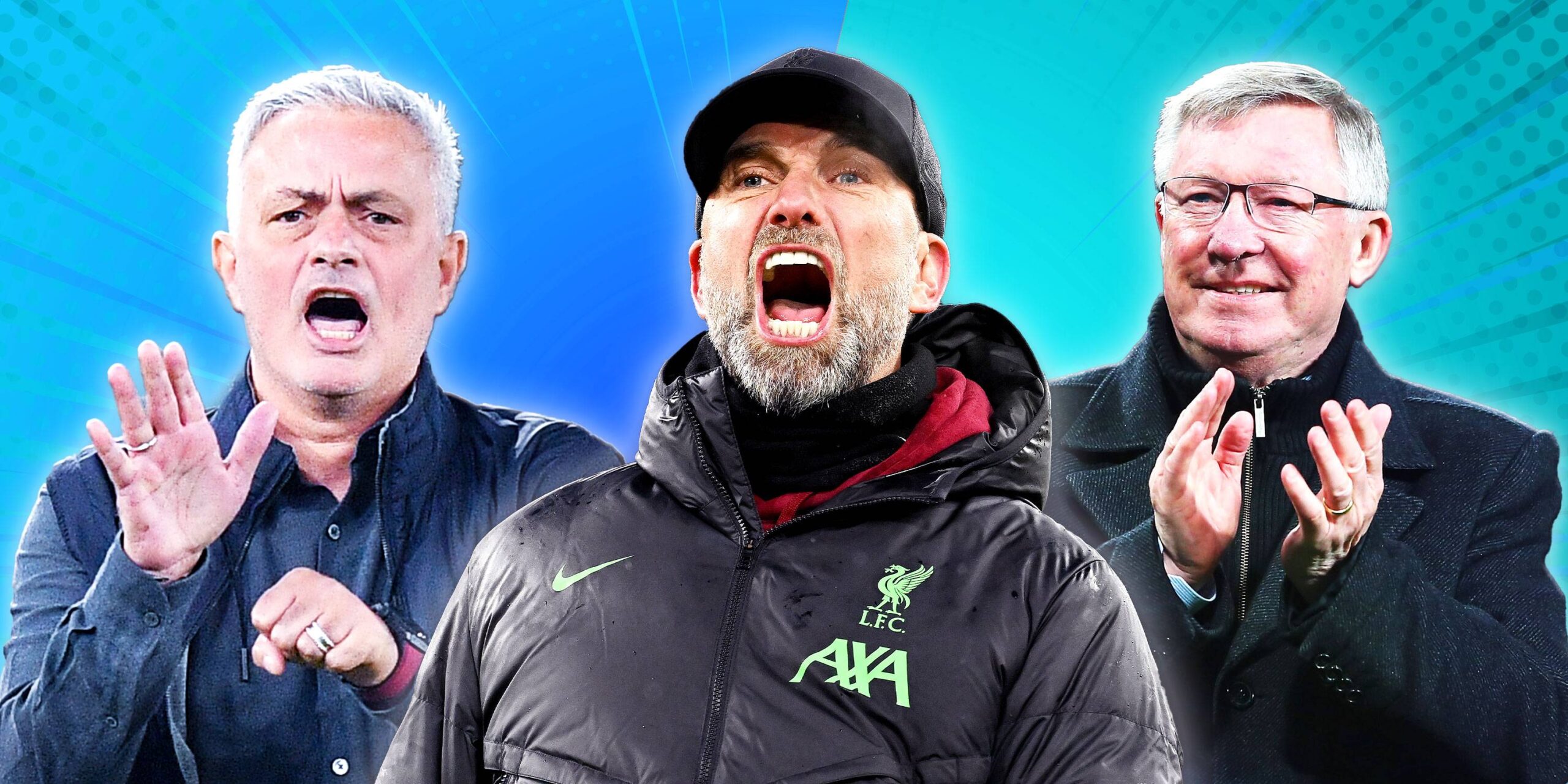
Pep Guardiola: Manchester City’s Tactical Maestro
Arriving at Manchester City, Guardiola brought the “positional play” that mesmerized Europe during his Barcelona days. He revolutionized the club, breaking points records and securing a historic domestic treble. Pep’s influence is felt in every academy and coaching badge session across England, as teams from Newcastle United to Leeds United seek to emulate his possession-based philosophy.
- Multiple Premier League titles, FA Cups, and League Cups with Manchester City
- First English treble in men’s football history
- Development of English talents like Phil Foden
Guardiola’s City plays with fluidity, pressing from the front and controlling games through relentless ball retention—echoes of the Total Football philosophy once championed by Johan Cruyff.
Jose Mourinho: The Pragmatist and Serial Winner
Mourinho’s journey through English football—from Chelsea to Manchester United and Tottenham Hotspur—has been a saga of instant results. At Chelsea, he molded a relentless team, breaking records for points and defensive solidity. At Manchester United, he brought silverware back post-Ferguson, while in North London, he tried to revive Tottenham Hotspur’s fortunes with pragmatism and experience.
- Multiple league and cup wins across clubs
- Famous for meticulous preparation and psychological warfare
- Tactical adaptability, especially in knockout competitions
| Manager | Club(s) | Signature Style | Premier Trophies |
|---|---|---|---|
| Pep Guardiola | Manchester City | Possession, Fluid Attacks | Premier League, FA Cup, League Cup |
| Jose Mourinho | Chelsea, Manchester United, Tottenham Hotspur | Defensive Solidity, Counter-Attack | Premier League, FA Cup, League Cup, Europa League |
This fierce competition has forced clubs like Arsenal, Liverpool, West Ham United, and even Aston Villa to adapt constantly, searching for a tactical edge and the right guiding hand at the dugout. The next generation, led by managers such as Jurgen Klopp, has continued this legacy of ingenuity and relentless ambition.
Unsung Heroes and International Legends: Broader Legacy in the EFL
Beyond the most celebrated names, the English football landscape is dotted with managers who achieved greatness through resilience, innovation, and unwavering commitment to their clubs. Figures like Valeriy Lobanovskyi, Johan Cruyff, and Arrigo Sacchi, though carved their greatness on the European stage, their influences trickled down into English football’s DNA—especially in tactical approaches adopted by teams like Chelsea and Arsenal.
Notable Names Beyond the Big Six
The EFL’s heritage is rich with examples of managers who, through sheer will and strategic genius, shaped club destinies:
- Brian Clough – Achieved the unthinkable by winning the European Cup twice with Nottingham Forest and revitalizing Derby County.
- Sir Bobby Robson – Inspired Ipswich Town to UEFA Cup glory and steered Newcastle United back to prominence.
- Bill Shankly – Built the philosophical and competitive backbone of Liverpool.
- Johan Cruyff – Though known for his reign at Barcelona, his “Total Football” ethos spread quickly among progressive EFL coaches, especially at Arsenal and Leeds United.
- Arrigo Sacchi – Lifted AC Milan with his revolutionary high-press, a style that has since found admirers in various EFL clubs.
Clubs outside the current “big six” like Aston Villa and Leeds United can trace threads of modern strategy to these continental thinkers.
| Manager | Club(s) | Influence Area | Legacy |
|---|---|---|---|
| Valeriy Lobanovskyi | Dynamo Kyiv | Analytics & Fitness | Modern Preparation Techniques |
| Johan Cruyff | Barcelona | Total Football Tactics | Attacking Fluidity |
| Arrigo Sacchi | AC Milan | High-Press & Team Shape | Defensive Organization |
English clubs remain a melting pot of ideas that continually refresh the EFL. Even now, when Lincoln City enjoyed surprise success and promotion runs, it’s a testament to the influence of these visionary managers.
Modern Trends and Innovations Among England’s Greatest Managers
The landscape of English football management is constantly evolving. While trophies remain a familiar yardstick, recent years have seen an expansion of priorities: from data analytics to youth development and sustainability. Jurgen Klopp at Liverpool exemplifies this approach, combining high-octane football with deep commitment to club culture, while Marcelo Bielsa’s transformative spell at Leeds United embodied the power of tactical innovation.
Tactical Innovation and Advanced Analytics
Innovative managers have elevated their teams through new formations and data-driven tactics:
- Data Analytics: Today, clubs like Arsenal and Chelsea employ vast analyst teams to investigate opposition trends and player performance.
- Tactical Shapeshifting: Klopp’s “Gegenpressing” at Liverpool, Guardiola’s flexible 4-3-3, and Bielsa’s high-energy pressing at Leeds United are benchmarks for strategic evolution.
These changes have tangible impacts on recruitment, training, and matchday strategy, resulting in both short-term and sustained success.
Youth Development and Club Culture
- Managers invest more in regional academies, as seen at Manchester United and Southampton. The likes of Bukayo Saka (Arsenal) and Declan Rice (West Ham United) demonstrate the power of homegrown development.
- Communication and empathy have gained prominence, reflecting modern values and the need for a positive dressing room environment.
Football now sees head coaches take on roles akin to CEOs, setting visions and inspiring whole communities around Aston Villa, Newcastle United, and other historic clubs.
| Innovation Area | Manager/Club Example | Impact |
|---|---|---|
| Data Analytics | Brentford FC | Player Recruitment, Strategy |
| Youth Promotion | Manchester United, Arsenal | Increased Squad Value, Stability |
| Tactical Pressing | Liverpool, Leeds United | High-Intensity Success |
Incorporating new ideas while respecting tradition keeps EFL clubs competitive and relevant, and ensures that the next generation of managers continues to break barriers. As we contrast eras, it’s clear the debate over the “greatest” is alive and well—sustained by fierce loyalty and sky-high expectations.
Comprehensive Table: The Top 10 Greatest EFL Managers and Their Enduring Legacy
Bringing together the successes, philosophies, and influence of English football’s finest managers allows for a nuanced comparison. Each has contributed uniquely to the landscape, impacting not only their own clubs but the broader tapestry of the EFL and English football beyond.
| Rank | Manager | Key Clubs | Major Achievements | Signature Impact |
|---|---|---|---|---|
| 1 | Sir Alex Ferguson | Manchester United | 13 PL titles, 2 UCL trophies | Dynasty Building, Longevity |
| 2 | Pep Guardiola | Manchester City | Multiple PLs, Domestic Treble | Tactical Revolution |
| 3 | Jose Mourinho | Chelsea, Manchester United, Tottenham Hotspur | Multiple PL, UCL, Europa | Winning Mentality |
| 4 | Sir Bobby Robson | Ipswich Town, Newcastle United | UEFA Cup, World Cup semi-final | Player Development |
| 5 | Brian Clough | Nottingham Forest, Derby County | 2 UCL titles | Underdog Triumphs |
| 6 | Bill Shankly | Liverpool | 3 Div. 1 titles | Club Culture |
| 7 | Johan Cruyff | Barcelona | 4 La Liga, 1 UCL | Philosophical Influence |
| 8 | Arrigo Sacchi | AC Milan | 2 UCL titles | Defensive Innovation |
| 9 | Valeriy Lobanovskyi | Dynamo Kyiv | European Cup Winners’ Cups | Analytics Pioneer |
| 10 | Marcelo Bielsa | Leeds United | Promotions, Championship title | Inspiring Modern Coach |
- Each manager’s style influenced both EFL and international football, creating cross-pollination of tactical innovation.
- Clubs like Newcastle United, West Ham United, and Aston Villa have directly benefitted from philosophies popularized by these legends.
- Modern managers increasingly focus on culture, analytics, and adaptive tactics for sustained success.
The legacy of these figures endures—not just in the silverware displayed but in every training session, youth contract, and tactical blueprint across English football’s layered pyramid. For further insights on remarkable EFL managerial journeys, revisit this article on the most consecutive EFL promotions—a testament to sustained ambition at every level of the league.
FAQ: The Greatest EFL Managers and the Art of Football Leadership
- Who is considered the greatest EFL manager of all time?
Sir Alex Ferguson is widely regarded as the all-time best, due to his unprecedented success and ability to sustain dominance with Manchester United for decades. However, Pep Guardiola, Jose Mourinho, and Brian Clough also receive strong recognition for their unique impact and philosophies. - How has modern management evolved in the EFL?
Managers now embrace data analytics, emphasize youth development, and focus on the mental well-being of players. Clubs like Liverpool, Arsenal, and Leeds United showcase these principles with dedicated analysts, support staff, and innovative tactical systems. - What impact does a great manager have on a club’s identity?
A visionary manager not only brings trophies but also creates a culture that lasts. Classic examples include Bill Shankly at Liverpool and Arsene Wenger at Arsenal. Notable EFL managers have transformed “sleeping giants” like Aston Villa and Newcastle United into aspirational brands. - Which up-and-coming managers could enter this list in the future?
Names like Xabi Alonso, Vincent Kompany, and young English managers rising through the Championship ranks could carve their own legacies. Their innovative approaches are already turning heads and, with sustained success, could see them recognized among the EFL’s greatest. - Where can I read about milestone promotions and unsung managerial successes?
For fans curious to learn more about record-breaking achievements and incredible EFL journeys, this article covers the most consecutive promotions in EFL history—a fitting tribute to the league’s enduring spirit of ambition and innovation.